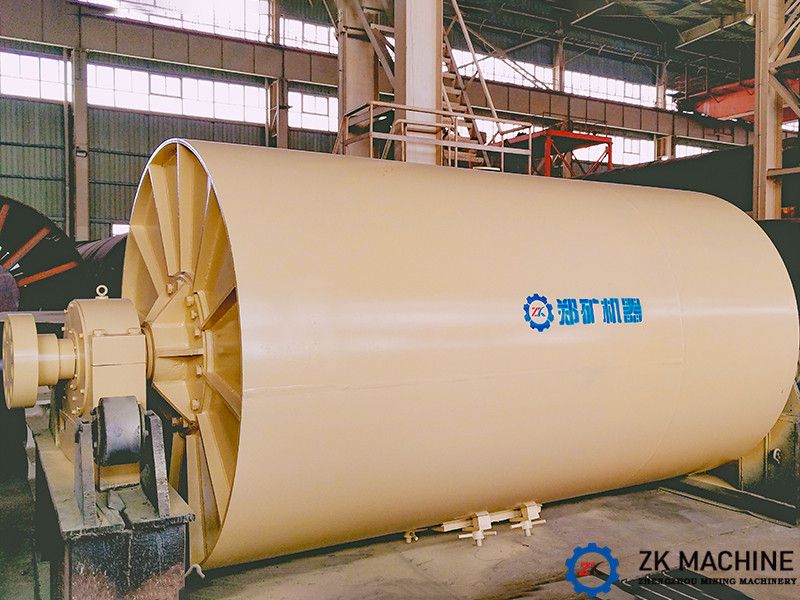
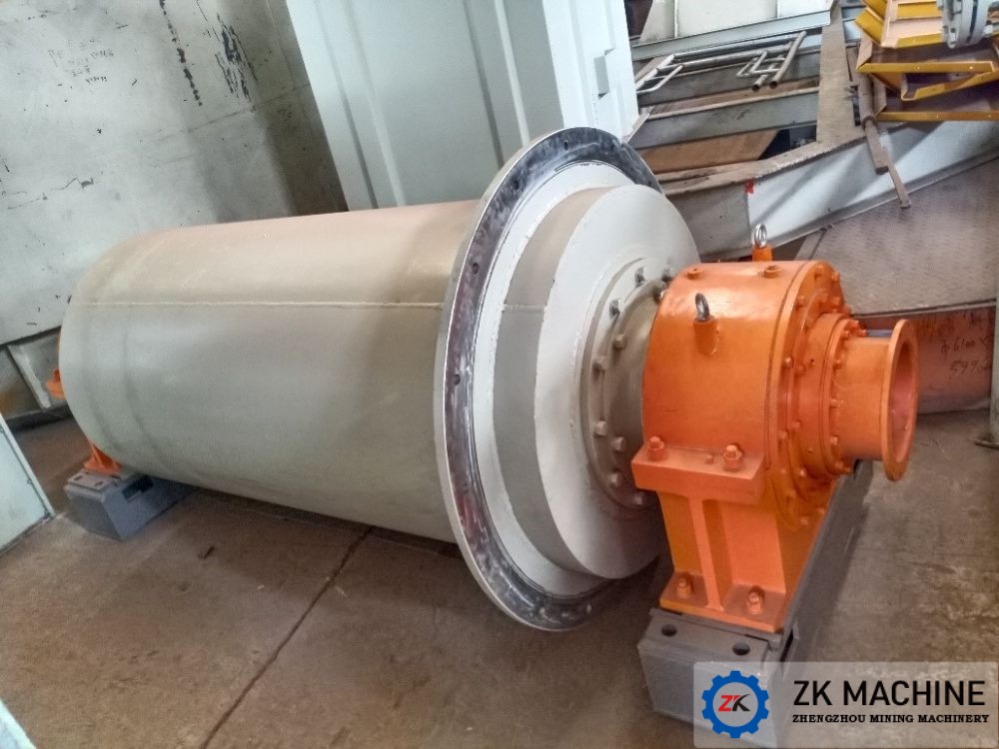
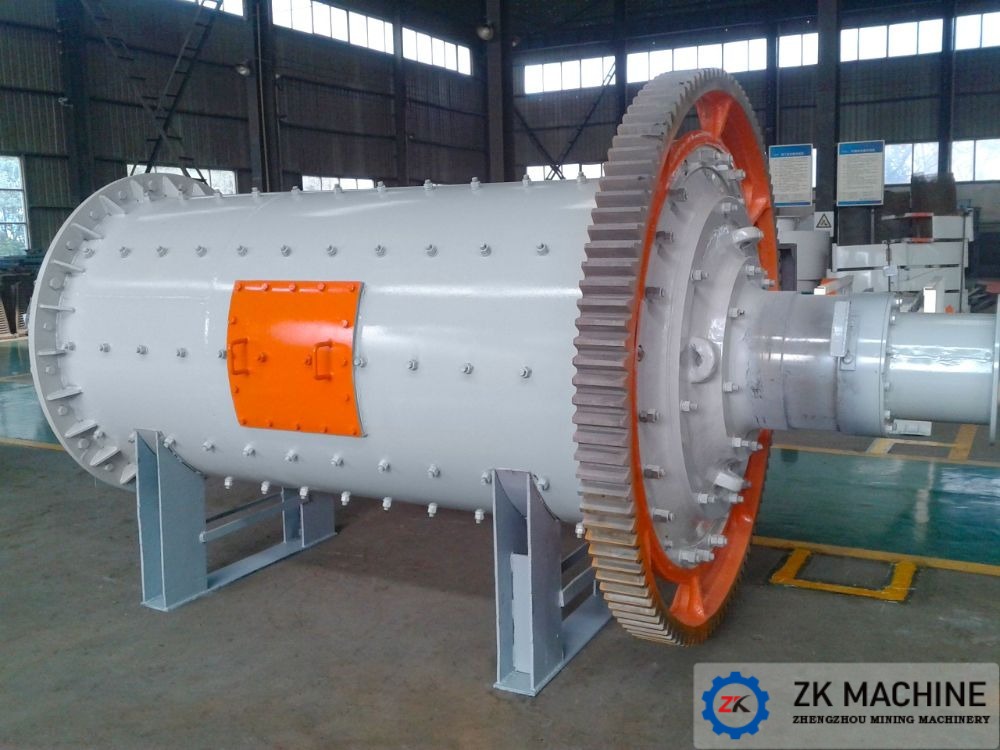
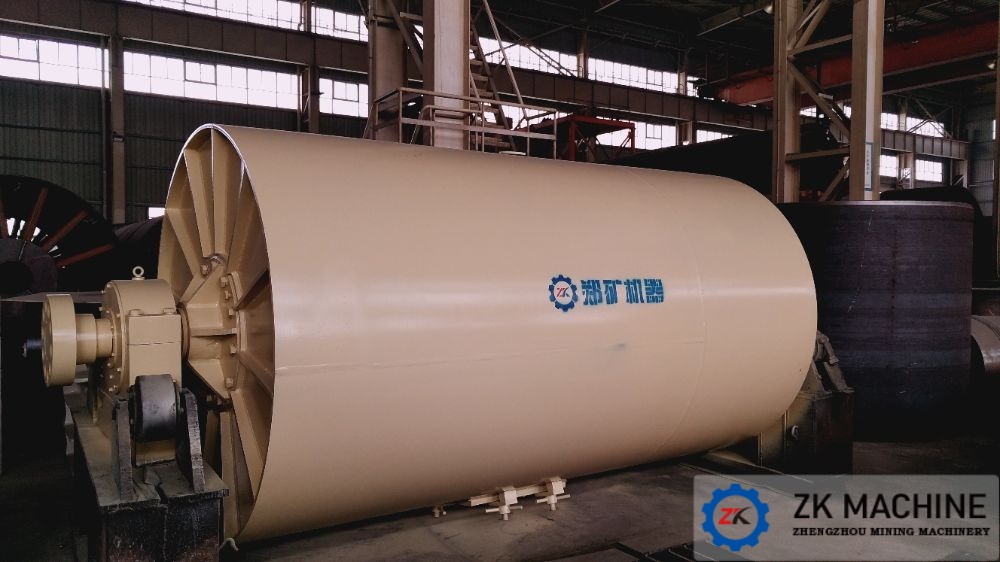
A ceramic ball mill is a type of ball mill characterized by its ceramic lining. Compared to general ball mills, it features a smaller capacity and is suitable for mixing and grinding small batches of materials, capable of both dry and wet grinding. Our company offers ceramic ball mills with drum diameters ranging from 0.6 meters to 3.2 meters, available in nine specifications. The mill is equipped with a ceramic lining, with a loading capacity of 0.05 to 15 tons per batch. The matching main motor power ranges from 2.2 kW to 75 kW, and the drum rotation speed varies from 13 to 50 r/min, making it ideal for grinding small batches of materials with specific requirements.
✔ Application Fields
Ceramic ball mills can be used to grind feldspar, quartz, clay, silica, and other hard, brittle materials. They are widely applied in the industrial production of high-fineness grinding materials.
✔ Key Advantages
1. Adjustable Lining Types: Depending on the material being processed, ceramic ball mills can be fitted with different types of linings to meet varying requirements.
2. Uniform Particle Size: The discharge outlet of the ceramic ball mill is equipped with a grate plate that controls the particle size of the discharged material. Oversized particles are difficult to discharge, ensuring a lower content of large particles and a higher proportion of particles meeting the desired specifications.
3. Compact Footprint: Compared to other ball mills, ceramic ball mills have a shorter length, resulting in a smaller footprint. This helps reduce land investment costs for businesses.
4. Stable Operation: The main transmission device of the ceramic ball mill employs enclosed gears, enhancing transmission stability.
✔ Working Principle
The motor drives the drum to rotate via a reduction device. As the drum rotates, the crushed ore and ceramic balls inside are lifted to a certain height by the lining under the combined action of friction and centrifugal force. Due to gravity, they then cascade and tumble back down. The ore is gradually pulverized through impact and grinding. The crushed ore is discharged from the drum through the outlet. The discharged material is classified in a spiral classifier to separate the qualified products, while coarse sand is returned to the ball mill via a combined feeder for further grinding. The feeder continuously and evenly supplies ore, which enters the ball mill uniformly through the combined feeder. The ground material is continuously discharged from the ceramic ball mill.